#isolatingtogether

A social awareness campaign driven by the personal impacts of isolation during the recent pandemic.
COVID-19 has introduced new circumstances in our daily routines and has impacted us and how we interact with one another. Most importantly, our perception of vulnerability shifts to a concerning state and induces a chaotic sense to the situation. There are various opinions on how reliable the output of risk is broadcasted and how we judge what we interpret as reliable information influencing our distant communication with others. Feelings of social withdrawal are also apparent during these times.
The campaign focuses on familiar empty spaces to capture the emotion felt from the personal impacts experienced through the isolation period. The footage of the environment takes place in the heart of Toronto, Ontario and presents a mixture of recorded soundscapes and ambience.
Tools: Sony a6500, DJI Ronin-S, Zoom H1n Recorder, Premiere Pro CC, Audition CC
_____________________________________________________________
Target Audience
This social campaign focuses on Canadians who are affected by the circumstances of the pandemic. Mostly those who move around very often and are over the age of 18.
Research Question
How can we mitigate misconceptions of risk towards COVID-19?
Area of Research
The research primarily focuses on the misconceptions of a COVID-19 context and how to reduce them. Communication holds an essential role in a pandemic while there are many sources transmitting information regarding the virus.
From viral media sources such as the news or social platforms to word of mouth, it has affected how we perceive the severity of COVID–19. Besides informative resources, considering increasing morale and displaying available services to improve public mental wellness during isolation is very important. This has changed direction of the project towards reducing the toll of the isolation guidelines have created.
Considering these are new challenges faced as a whole, it has introduced mental stress through inconsistent restrictions and unclear information that has transitioned society in coping with a new lifestyle and comprehending complex facts about the virus, especially for those who experience it individually.
Research Methods
- Literature Review
- Public Observations
- Semi–Conducted Interviews
Some articles emphasize incompetent information given in a pandemic. Sources mention this factor results in stigmatization, misguidance based on policy implementation, and biased perspectives.
Some interesting points from literature:
- Difficulty in adapting to an emergency similar to past scenarios ex. SARS because of lack of expectancy and preparedness (Extensive Process to declare emergency state)
- Stigma upon those showing symptoms of the virus and underwent quarantine process
- Stigma upon older people are seen to be most at risk
- Emergency circumstances lead to quick adaptation to any communicated advice resulting in extreme measures being taken
- Masks, although they have no evidence of effectiveness according to the World Health Organization (WHO), show no evidence of it not being effective
- Politicians hold an influence, and the effectiveness of alerting citizens relies on the consistency of information
"...Risk communication messages are sometimes very quickly adopted by the media, possibly leading to an 'amplification' of risk information that may lead to unnecessary mass scares and unnecessary or ineffective precautionary actions (Bruh, 2009, p.5)."
Brug, J., Aro, A. R., & Richardus, J. H. (2009). Risk perceptions and behaviour: towards pandemic control of emerging infectious diseases.

Conclusion
Research Findings
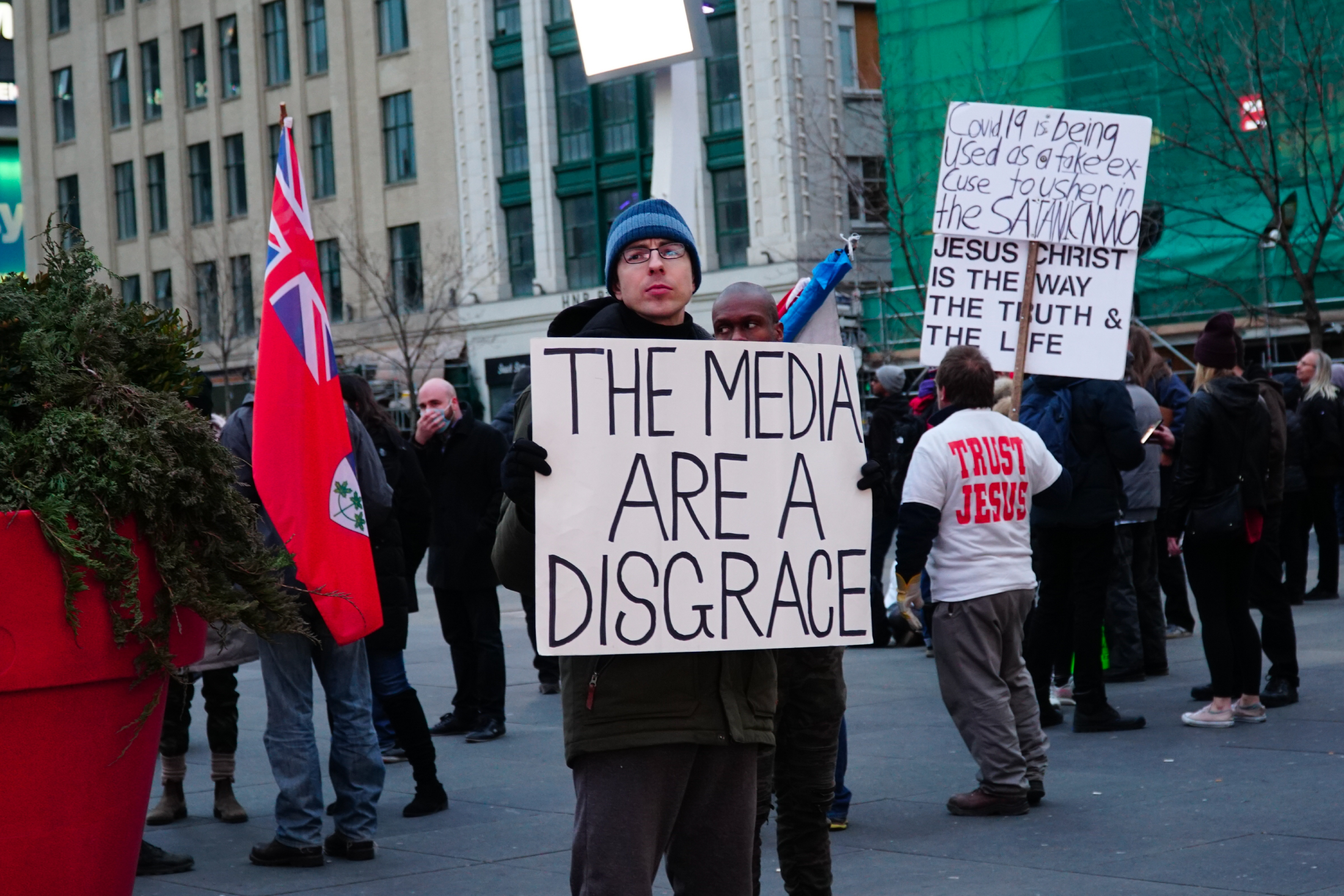
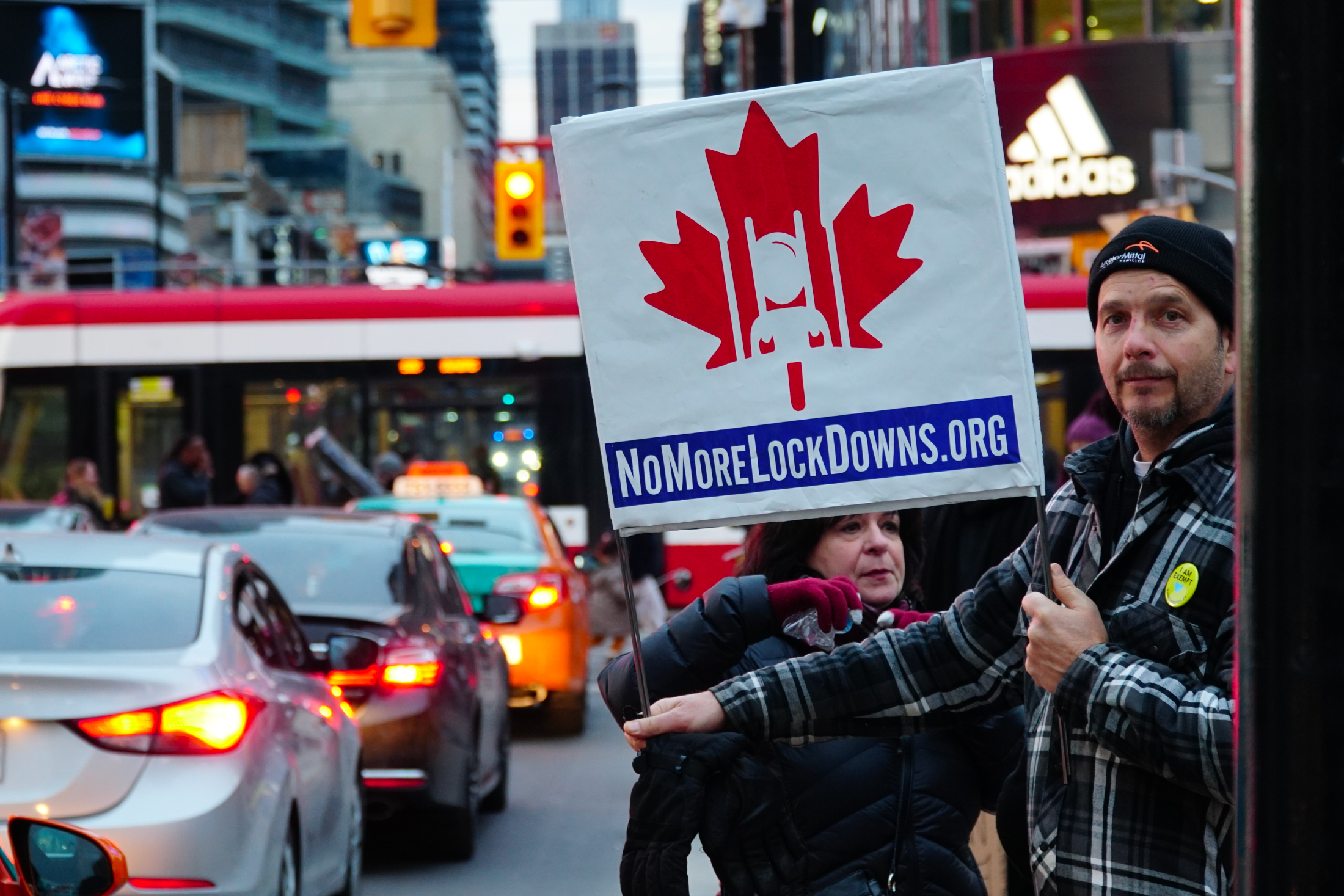
Public observations served multiple examples where individuals have presented their own opinions and claimed research towards COVID-19 and apply them to the public and their actions. Some of these perspectives challenged the protocols put in place as well as the existence of COVID–19.
These observations are evidence that there is a presence of frustration and distrust towards the government and media sources.
The majority of participants commonly share views of:
- Being dissatisfied with the availability of information and the reliability of sources
- Found that government policies are inconsistent whereas they skew the perspective and
- Urgency in risk of transmission of COVID–19
- Value in identifying solutions to mitigate this issue of misconception
The contrast is evident through both research methods but interestingly share a commonality that expresses a form of disconnect between perceived sides of the pandemic and the frustration of wanting a change to revert times to the way they were pre-pandemic.
This separation has caused much pressure on society overall and the chemistry around citizens and political leaders especially. These were considered in the following steps towards a design solution.
A website was built to dedicate the promotional video of the campaign and is found here.
#isolatingtogether


